Catering Costs 2026
Ultimate Guide to Catering Costs for Orlando Food Trucks: 2025-2026 Edition
The Orlando Food Truck Association (ORLFTA) helps food truck operators succeed in Central Florida. As tourism and events keep growing in the area, keeping catering costs under control is more important than ever. Food trucks are a favorite at events because they are flexible, mobile, and offer a wide variety of creative menus.
This guide shares the latest information on what catering costs to expect for Orlando food trucks in 2025 and 2026. It gives both new and experienced vendors the tools to set competitive prices, manage budgets well, and increase profits.
The Rise of Food Truck Catering in Orlando
Orlando's food truck sector thrives, driven by the city's diverse multicultural population and popular recurring events, such as The Food Truck Bazaar gatherings organized by The Daily City and corporate functions near theme parks. Florida stands out as a top market, bolstered by its consistent mild climate and substantial year-round tourist traffic.
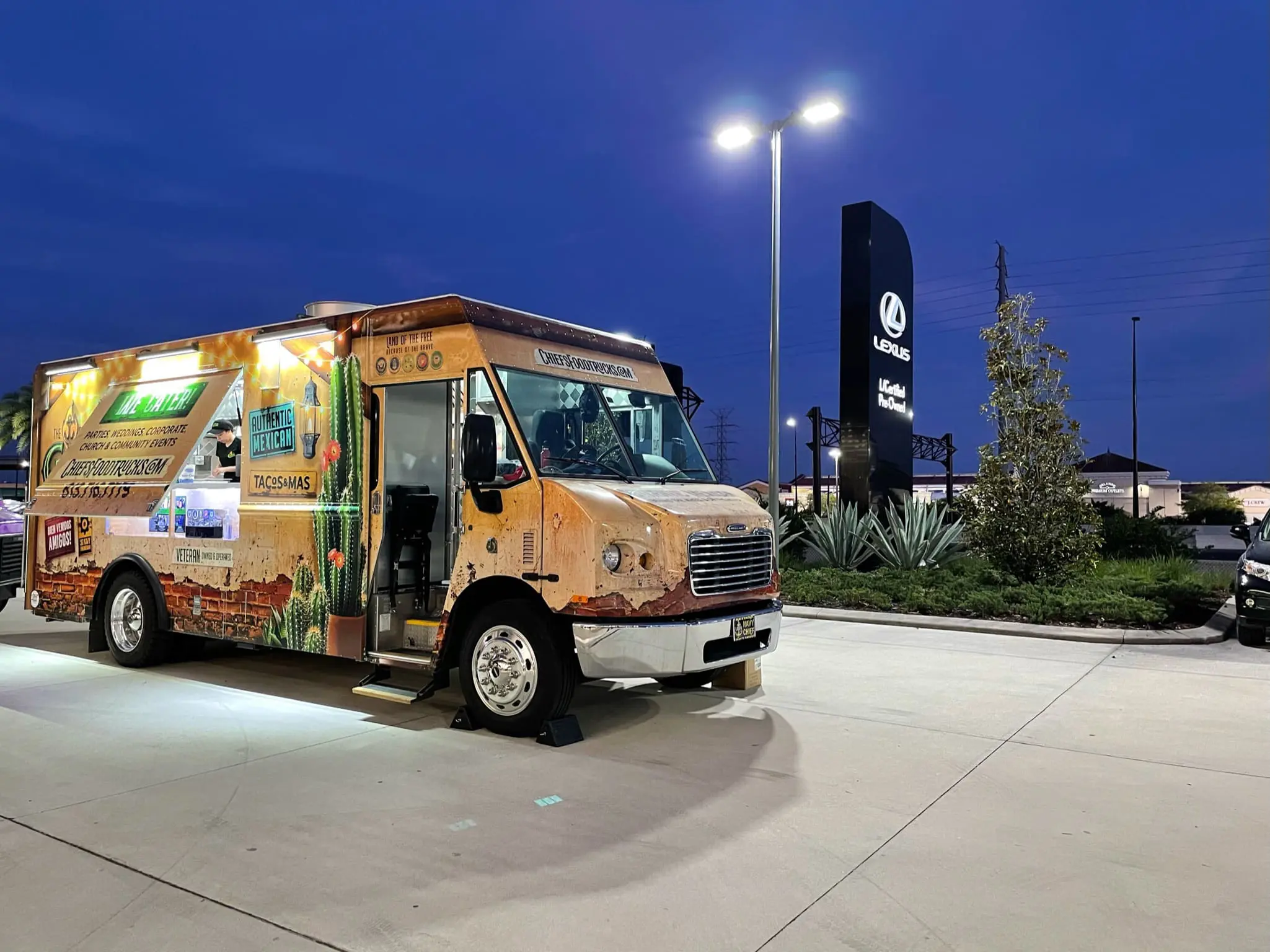
Food trucks deliver a flexible catering solution, serving groups from 50 to several thousand attendees at typical rates of $15 to $35 per person. These services frequently cost less than conventional full-service catering, primarily due to reduced overhead in mobile operations.
Catering stands apart from daily street vending by focusing on private events, weddings, corporate functions, and similar gatherings that require customized menus, advance planning, and specialized logistics.
In contrast, traditional full-service catering in Orlando often averages higher, with general per-person costs ranging from $30 to $150 depending on the event type and service style. Food trucks provide a more budget-friendly alternative for many organizers.
Startup Costs: Building Your Food Truck Foundation
Launching a food truck in Orlando requires significant upfront investments, but these are generally lower than those for opening a brick-and-mortar restaurant. Average startup costs in Florida range from $33,500 to $88,000, with variations based on whether you buy new or used equipment. (Calculate your startup costs, 2024) For catering-focused trucks, prioritize features like ample refrigeration and customizable setups.
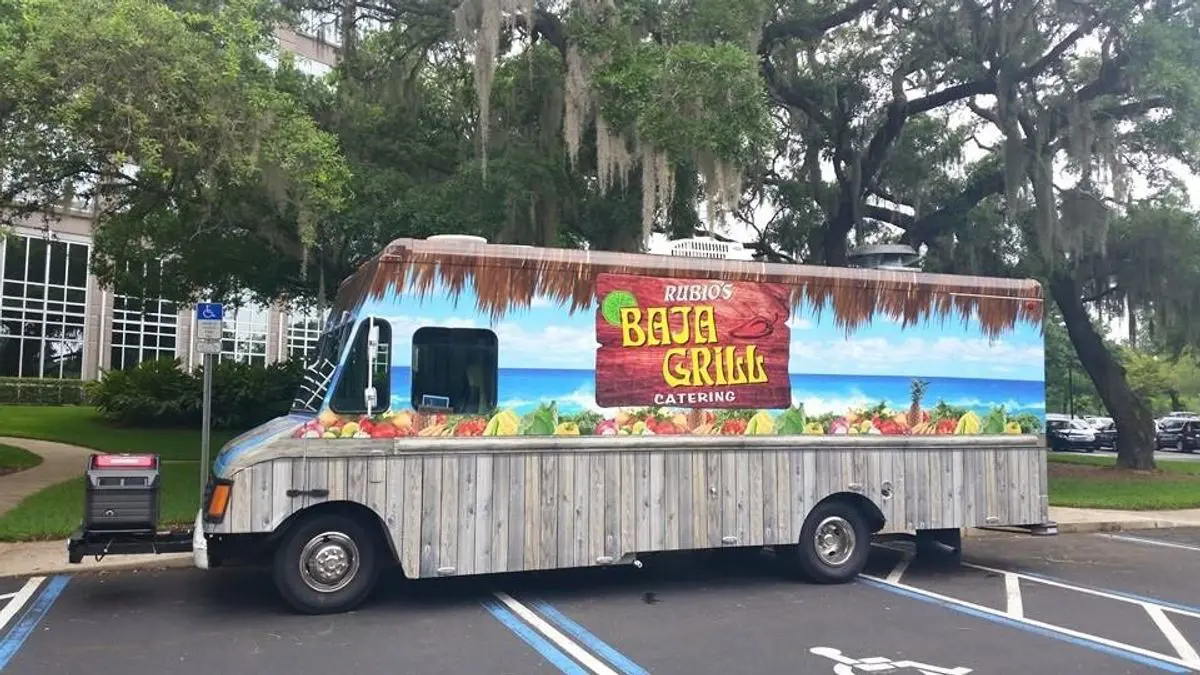
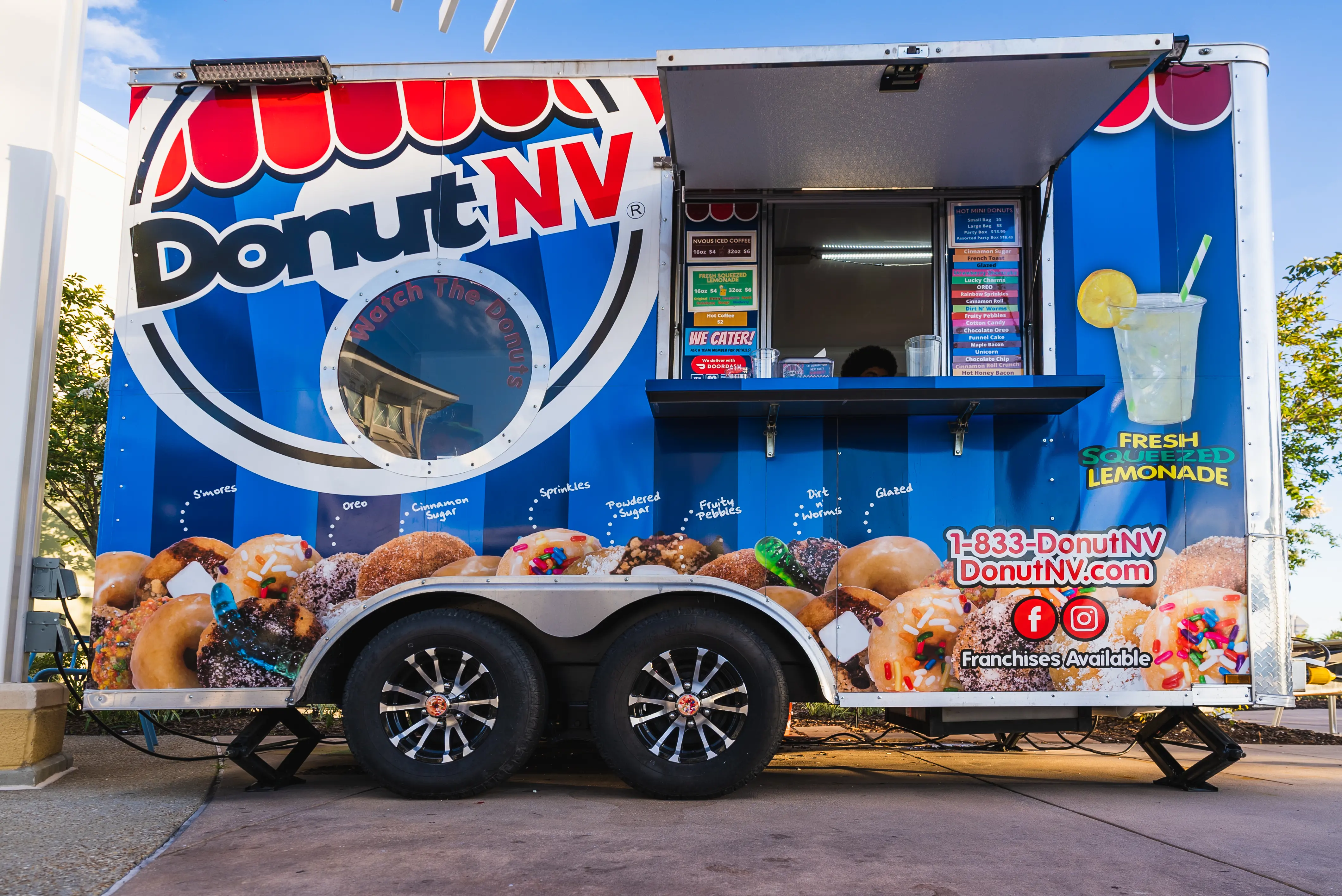
The largest startup expense remains the food truck vehicle. A reliable used model typically costs $40,000 to $100,000, while a new, fully customized build, complete with branding wraps, commercial grills, fryers, refrigeration, and required fire suppression systems, ranges from $75,000 to $200,000.
In Orlando, plan for $1,000 to $3,000 in initial ingredient and supply inventory to launch operations. According to the USDA, grocery prices are expected to rise by 0.7 percent in 2025. Other essentials include a POS system ($500), uniforms ($500), and smallwares ($1,500). Insurance, covering liability and vehicle, averages $2,000 to $5,000 yearly. To attract catering clients effectively, invest in essential marketing tools such as a professional website (typically $2,000 to $5,000 for custom development) and social media setup.
Operators launching a catering-focused food truck in Orlando budget $100,000 to $200,000 for a complete, ready-to-operate setup as of early 2026. This range accounts for vehicle, equipment, permits, inventory, and initial marketing.
Expect moderate cost increases of 3% to 8% through 2026–2027, driven primarily by ongoing supply chain stabilization and commodity inflation rather than acute pressures.
Operating Costs: Day-to-Day Expenses in Orlando
Once operational, Orlando food trucks face monthly expenses averaging $5,000 to $15,000, depending on scale, event frequency, and location.
Key ongoing monthly costs for Orlando food trucks include:
- Ingredients (25–35% of revenue, typically $1,000–$5,000 based on sales volume)
- Labor ($3,000–$6,000 for 2–3 staff, including wages, taxes, and benefits)
- Fuel/propane ($300–$800)
- Maintenance ($500–$1,000)
- Commissary fees ($400–$1,000)
For catering, factor in additional event-specific expenses like extra fuel ($100–$300), overtime labor ($200–$500 per event), and specialty supplies ($50–$200).
Expect modest rises in 2026, with grocery inflation around 2.3% per USDA forecasts, emphasizing tight cost controls for profitability.
Fuel and maintenance are key, especially for event travel. Trucks use about one gallon per 7 to 10 miles, costing $250 to $500 monthly at Florida's gas prices. In Orlando, the minimum wage is $15 per hour in 2025, rising potentially with state adjustments. For catering, hire two to four staff per event at $6,000 to $12,000 monthly, including benefits. With 82% of operators expecting labor increases, budget for $16 to $22 per hour.
Ingredients drive variable costs. Aim to keep food costs at 25% to 35% of revenue.
Utilities, phone/internet ($150), and marketing ($100 to $200) round out expenses. For catering, add event-specific items like disposable serveware.
Catering-Specific Costs: Pricing Events
Catering-Specific Costs: Pricing Events in 2025-2026
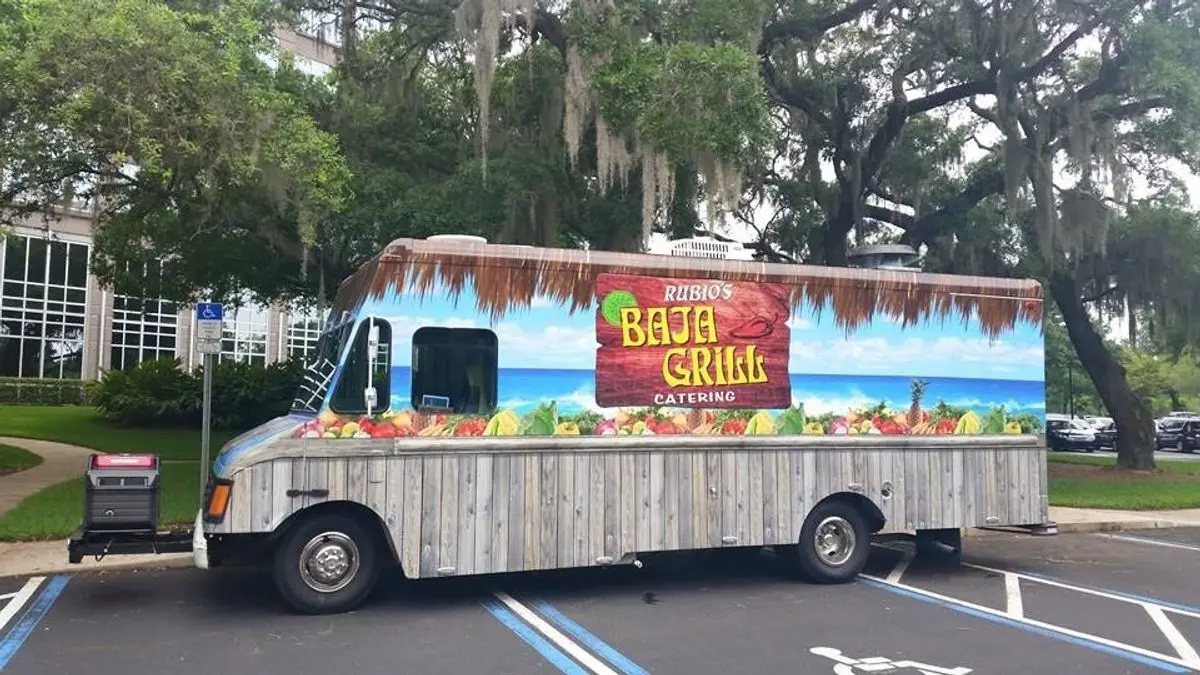
Catering events in Orlando typically cost $500 to $6,000, with per-person rates of $10 to $35 based on menu type. For a 200-person corporate event, expect $1,221 on average, ranging from $800 to $2,500.
Breakdown by menu: Taco trucks at $10 to $15 per person (minimum $1,000), burgers or BBQ at $15 to $25 (minimum $1,500). Premium options like gourmet or pizza add $25 to $35. Service duration (two to three hours) and add-ons like toppings bars influence pricing.
In 2025-2026, factor in 3% to 3.5% inflation for food away from home. Tariffs on imports could raise costs for items like cocoa or steel equipment by 2% to 7.5%. ORLFTA advises building buffers for these, such as 10% contingencies in quotes.
Budgeting Tips and Strategies for ORLFTA Members
To manage costs, create a detailed budget: Track fixed (insurance, permits) and variable (ingredients, fuel) expenses. Use tools like QuickBooks for real-time monitoring.
Negotiate with suppliers for bulk deals, especially amid inflation. ORLFTA partnerships can secure discounts.
Optimize staffing: Cross-train employees to reduce headcount. For catering, charge minimums to cover travel.
Price strategically: Add 10% to 15% margins above costs. Offer packages to upsell.
Leverage technology: AI inventory apps cut waste by 10% to 20%. Diversify with meal kits for off-peak revenue.
Future Outlook
Looking ahead, Orlando's food truck catering sector is poised for growth, with revenue potentially reaching $120,000 to $200,000 annually per truck. Inflation will moderate, but vigilance regarding tariffs and supply chains remains key. ORLFTA encourages sustainable practices, such as local sourcing, to mitigate rises.
Stay informed and adaptable: this is the key to turning challenges into opportunities and ensuring profitability for your catering business. Key takeaway: Ongoing education and flexibility are your best tools for sustained success in the industry.
Conclusion
Navigating catering costs for Orlando food trucks in 2025-2026 requires a blend of planning, adaptability, and resourcefulness. Focus on efficiency, leverage associations, and monitor trends to build a resilient business.